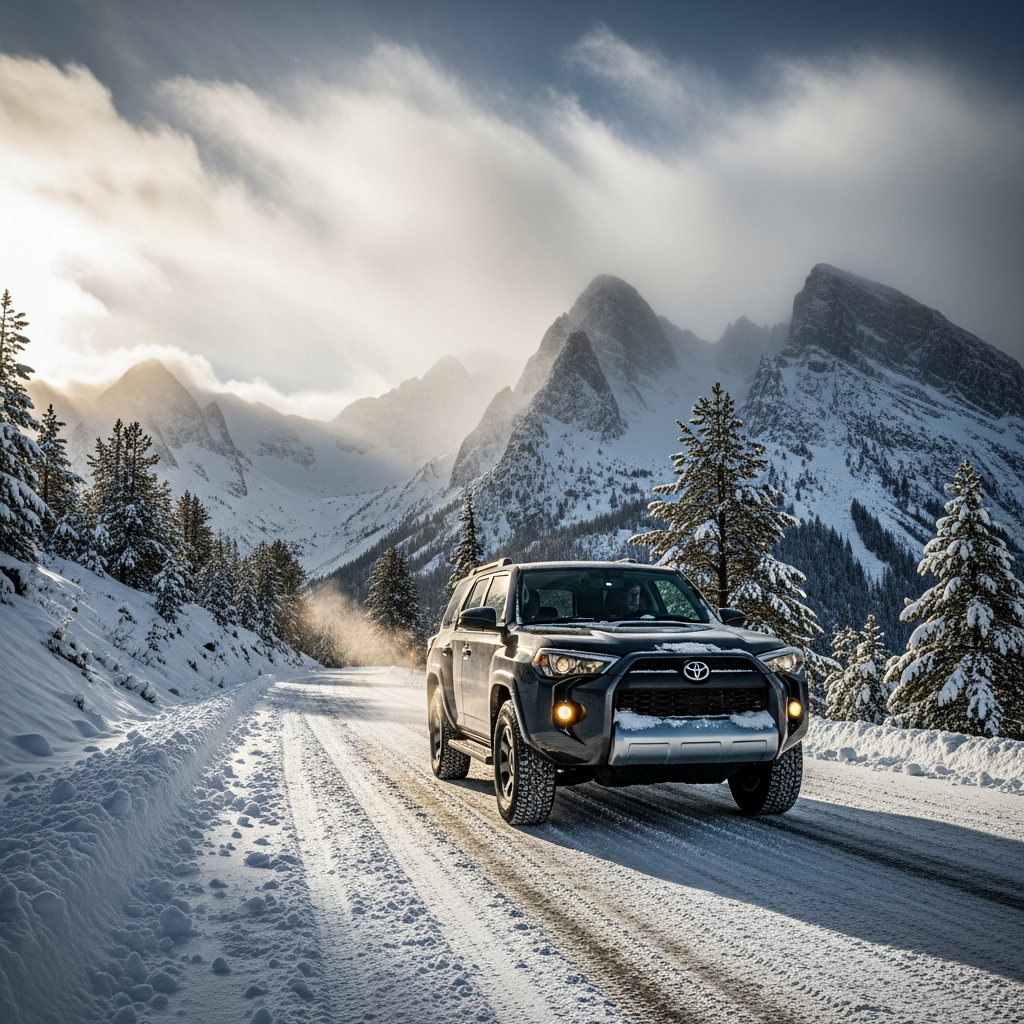
All-Season vs. Winter Tires: What Alaskan Drivers Need to Know
Many Alaskan drivers wonder whether all-season tires are sufficient for winter driving. While all-season tires offer versatility, they don't provide the same level of safety and performance as dedicated winter tires in harsh conditions. Northern Skye Tires is here to break down the differences.
The Limitations of All-Season Tires
- Rubber Compound: All-season tires use a harder rubber compound that stiffens in cold temperatures, reducing grip.
- Tread Pattern: The tread pattern is designed for both wet and dry conditions but lacks the aggressive sipes and grooves needed for optimal snow and ice traction.
Why Winter Tires Excel
- Specialized Rubber: Winter tires use a softer, more pliable rubber compound that remains flexible in freezing temperatures, maximizing grip.
- Aggressive Tread: The tread pattern features deep grooves and sipes that bite into snow and ice, providing superior traction and braking performance.
Alaska's Unique Winter Conditions
Alaska's long winters and unpredictable weather demand the best possible traction. Winter tires provide a significant advantage in terms of safety, control, and stopping distance.
Visit Northern Skye Tires for Expert Advice
At Northern Skye Tires, we can help you determine the best tire solution for your specific needs and driving conditions. We offer a wide selection of winter tires from top brands. Contact us for advice. We are located in Alaska!
Let’s get started
Shop for Tires